TechX/ShipX Weekly Briefing
European companies are out of the Top 50. Ng Andrew dropped a new video on Deep Learning. Anthropic Paper on Prompt Vs Context. NextJs Deprecates Middleware... and much more

Europe’s Innovation Dilemma: Watching the Tech Titans from Afar
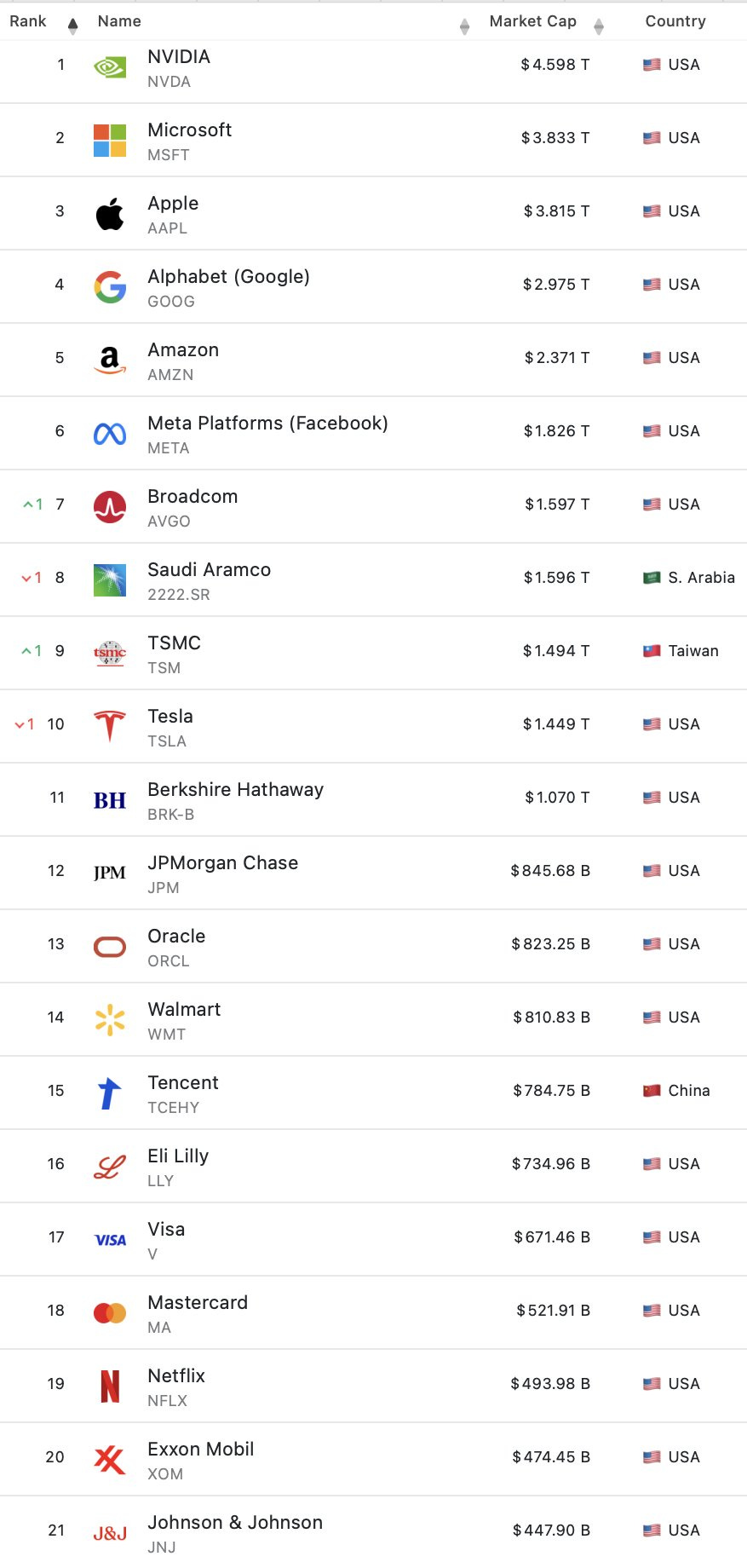
The latest global market capitalization rankings tell a familiar story — and one that should concern policymakers in Brussels. Of the top 20 most valuable companies in the world, nearly every one is American. NVIDIA, Microsoft, Apple, and Alphabet now collectively hold more value than the GDP of most continents. Taiwan’s TSMC and Saudi Aramco are the rare non-US exceptions in a trillion-dollar club dominated by Silicon Valley.
Europe’s absence from the list isn’t a fluke — it’s structural. The continent’s fragmented market, complex tax regimes, and layers of regulation have made it difficult for startups to scale into global giants. “The EU’s plan to become the most innovative region aged like milk,” one user on Reddit quipped — a line that captures a growing sentiment that Europe’s innovation engine has stalled while the US continues to lap the field.
Yet, the European story isn’t entirely bleak. But as one commenter noted, “quality of life is temporary if your economy stops growing.” Without competitive, high-growth companies, the tax base that funds Europe’s social model — including its cherished public healthcare — could erode.
Meanwhile, the rise of remote work (also known as work from home jobs) is redrawing the map of opportunity. Talented engineers in Berlin, Warsaw, or Lisbon now work for California salaries from countries with universal healthcare. “Free healthcare is awesome when you have a remote job” wrote one user — a reminder that Europe’s future may not lie in rebuilding a Silicon Valley of its own, but in leveraging its lifestyle advantages to attract global remote talent.
Europe must decide whether to compete, collaborate, or risk watching the next industrial revolution unfold from the sidelines.

Andrew Ng dropped a new Banger, and it’s completely free YT Link.
In “Introduction to Deep Learning,” the presenter lays out the foundation of deep learning: multi-layered neural networks that extract complex patterns from raw data. You start with raw inputs (pixels, text, audio), then pass them through hidden layers of neurons using activation functions. The network makes predictions, computes a loss (distance from truth), and learns by backpropagating gradients to update weights. The video shows how techniques like dropout, momentum, and learning rate scheduling help models generalize better and learn faster. Examples highlight deep learning’s dominance in vision and language tasks — from recognizing images to generating text.
This lecture style and structure mirror the approach popularized by Andrew Ng, whose Deep Learning Specialization on Coursera (with superb ratings around 4.9) has educated millions in the same fundamentals. Coursera+1 Ng’s courses emphasize clarity, intuition, and hands-on coding — democratizing access to deep learning for a global audience. His role in online education ensures that introductory lectures like this become accessible and standard reference points in the AI world.
From Prompts to Context: The Next Leap in AI Interaction
Paper link: Effective context engineering for AI agents \ Anthropic
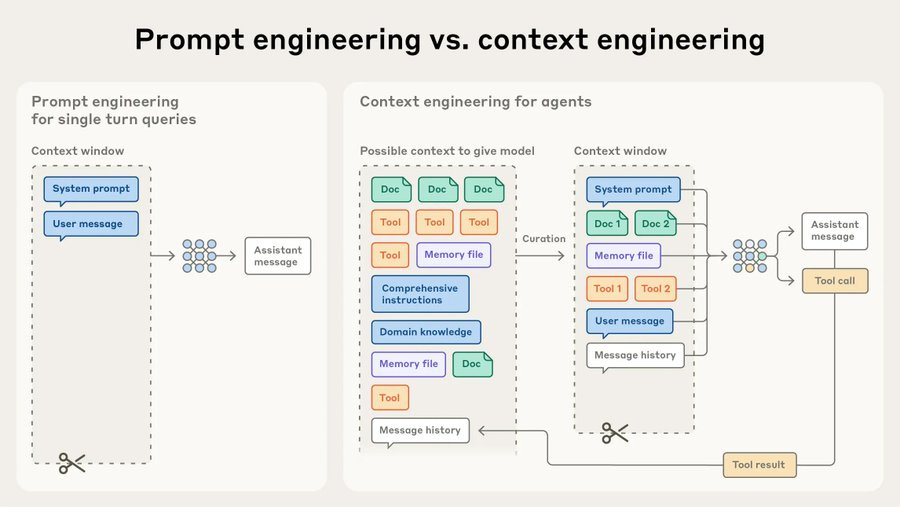
The diagram marks a shift in how we design AI systems — from prompt engineering to context engineering.
In the early ChatGPT era, users mastered the art of writing clever prompts: single-turn queries shaped by a system instruction and a user message. It worked well for quick answers but fell short for complex, multi-step tasks.
Now comes context engineering, the backbone of intelligent AI agents. Instead of relying on one-off prompts, developers curate rich context windows filled with documents, tools, memory files, domain knowledge, and conversation history. This gives models a working environment — not just a question.
The result? A model that doesn’t just reply, but reasons — pulling data from tools, recalling past interactions, and executing multi-stage workflows.

Next.js Ditches ‘Middleware’ for ‘Proxy’ in Bid to End Dev Confusion
The Next.js team is waving goodbye to its infamous middleware.js file, rebranding it as proxy.js to spare developers from mistaking it for Express.js’s battle-tested middleware.
The pull request, #84119, filed last week by Vercel’s devijwonchoy, aims to deprecate the old term and streamline APIs—encouraging folks to skip middleware unless it’s their last resort.The rationale? “Middleware” has long tripped up users, evoking Express’s robust request-handling beast rather than Next.js’s lightweight, edge-side routing tool. As the PR notes, the goal is “better ergonomics” for common tasks like redirects and rewrites, breaking down the feature bloat into clearer, proxy-focused alternatives. It’s a drop-in swap: export proxy instead of middleware, and you’re golden.Community reactions? Mixed bag on Reddit’s r/nextjs.
Some hail it as a clarity win—”It’s just a rename to fix years of misunderstandings,” one user quipped—while others cry foul: “They don’t grok backend well,” griped a skeptic, lamenting the anti-middleware vibe. Another flagged broader ambiguity in frameworks like Astro. And yes, the puns flew: “Proxy war?” amid the fray.This isn’t middleware Armageddon; it’s evolution. As Next.js pushes toward a proxy-centric future, expect smoother sails for full-stack devs. But will it end the confusion? In tech, probably not—but it’s a solid step.
Things you shouldn’t miss out:
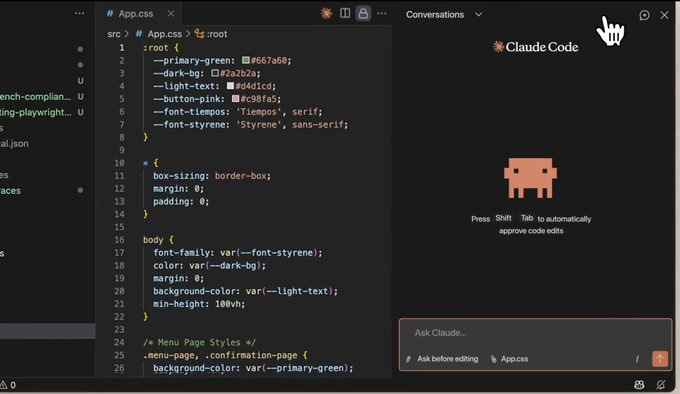
1. Claude Code is now a plugin in VS Code
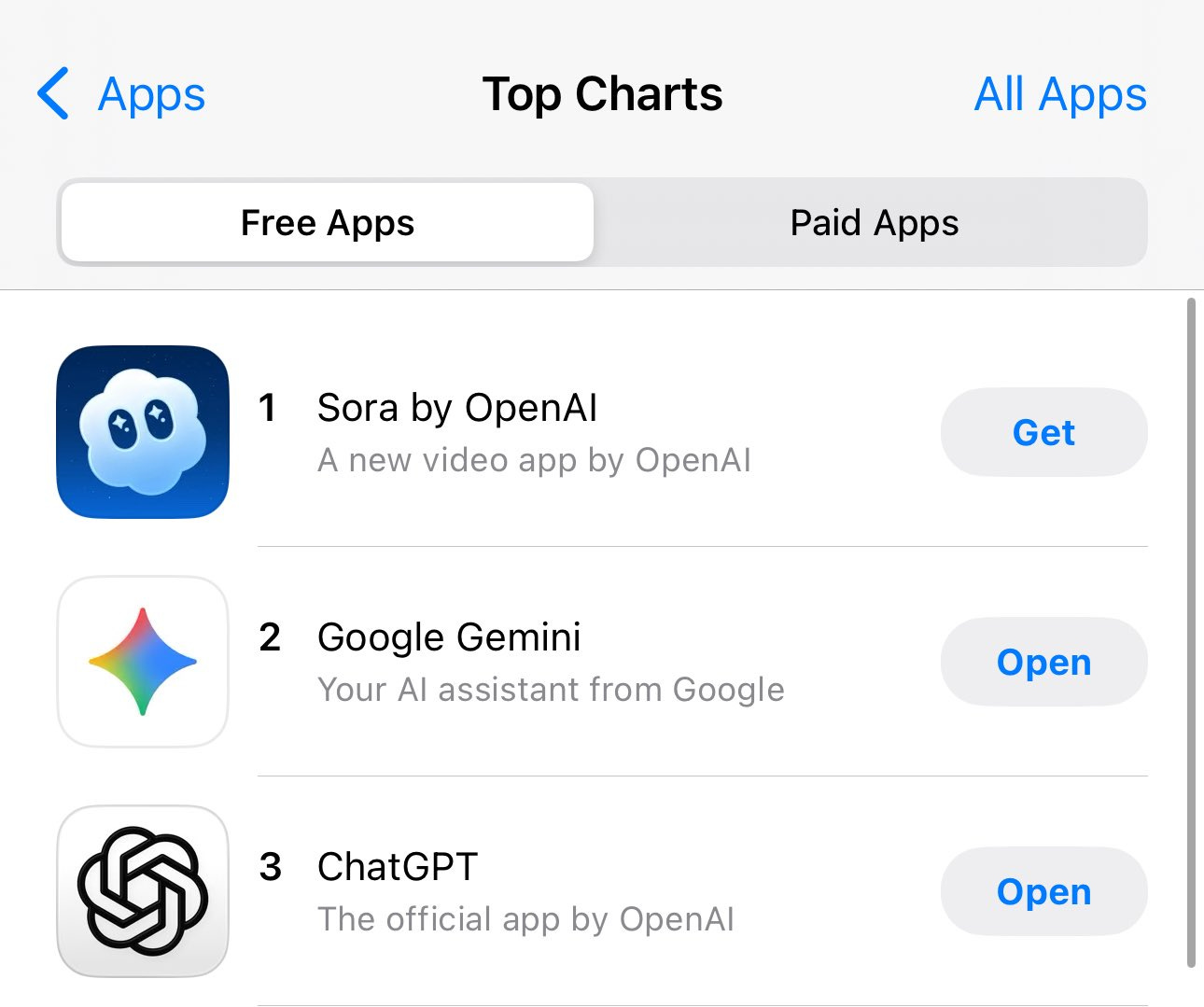
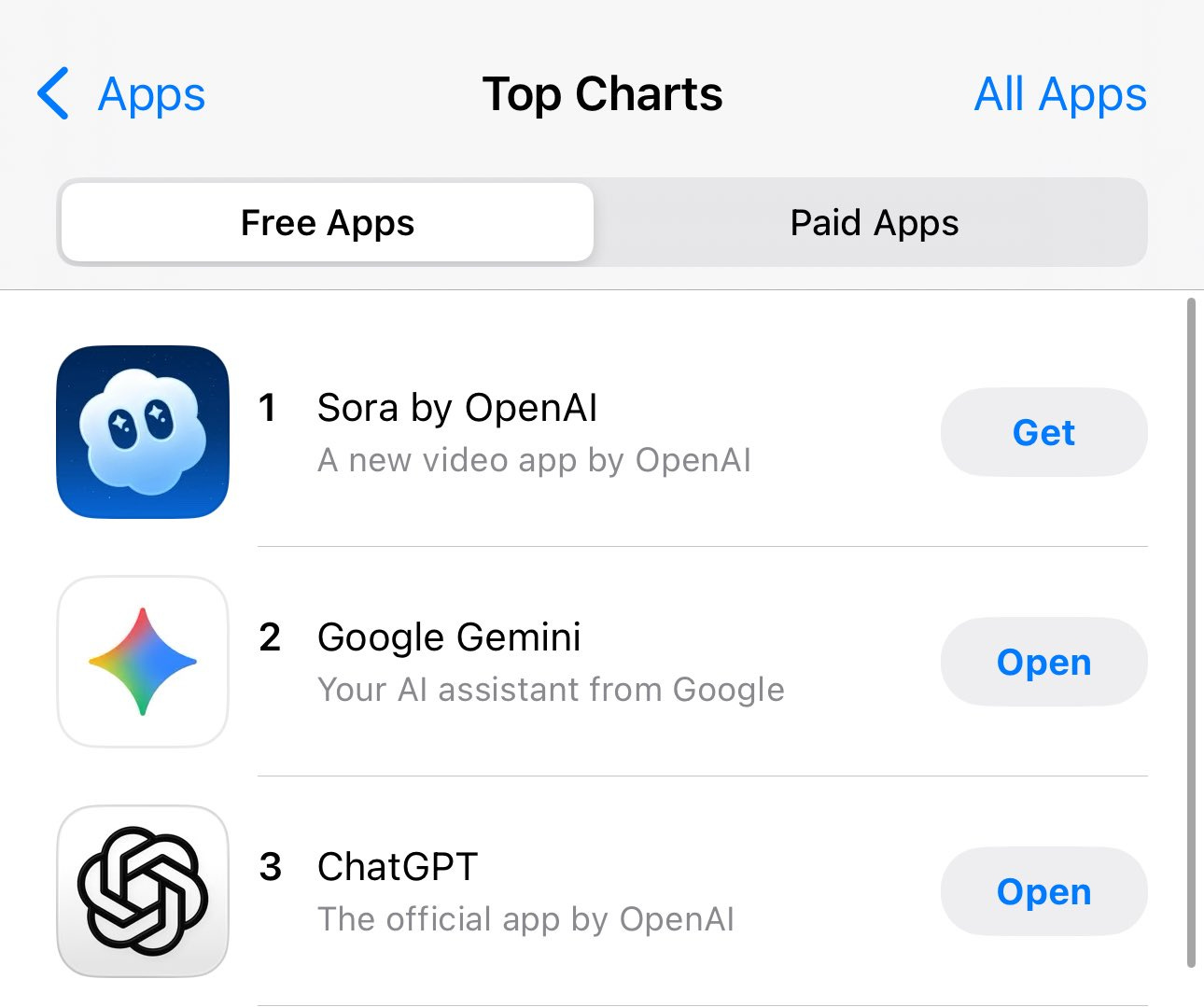
Sora by OpenAI takeover Gemini
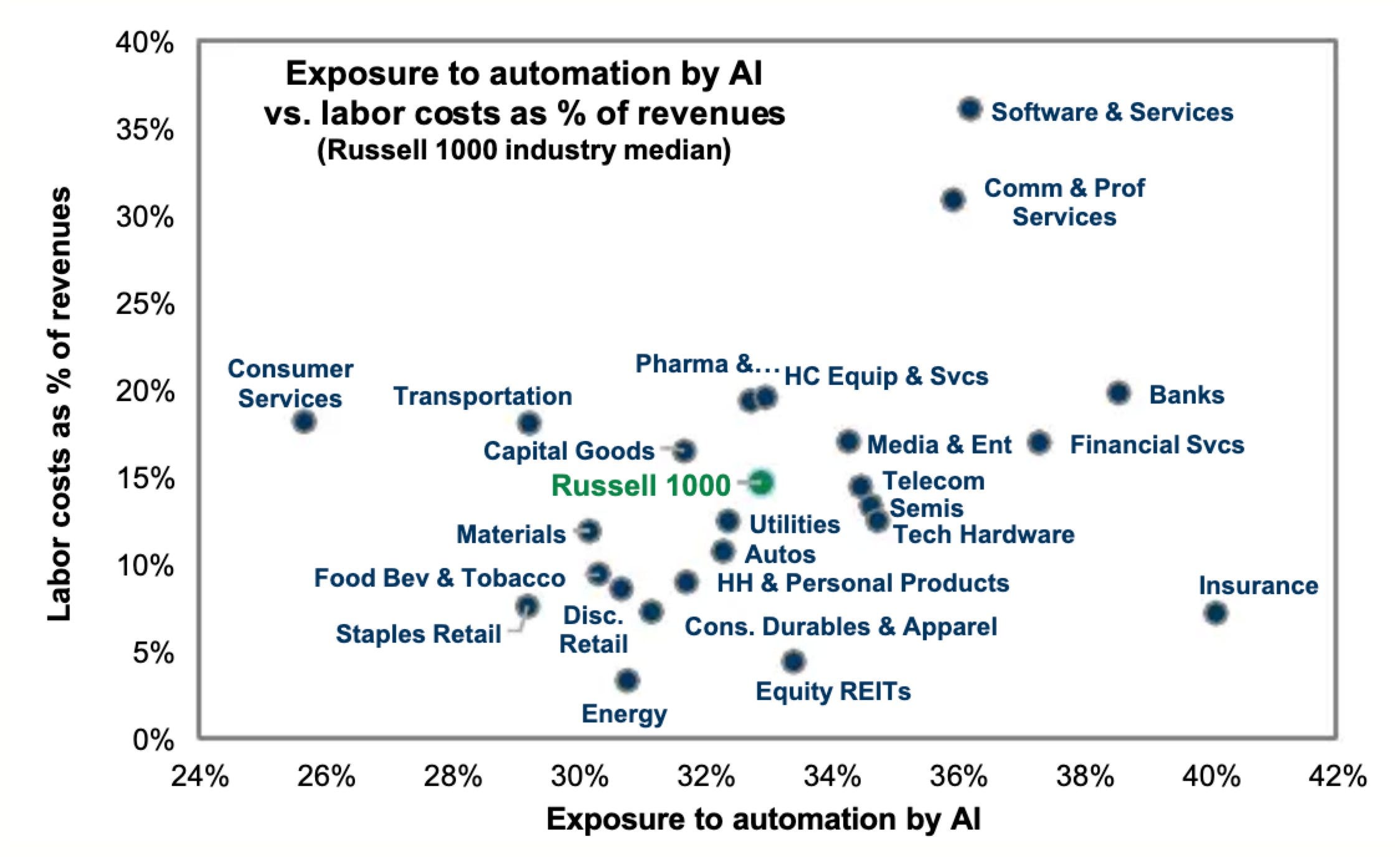
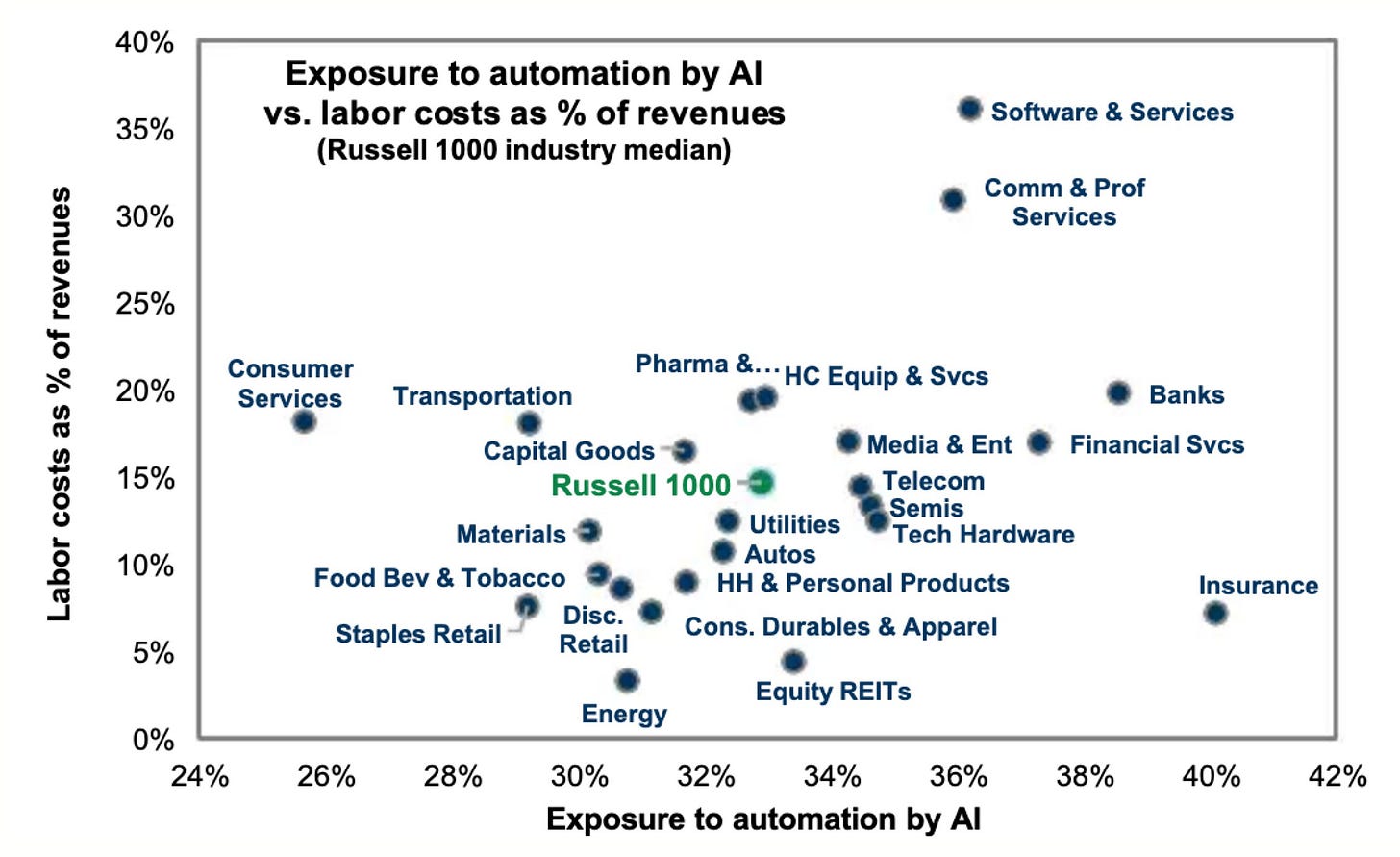
AI exposure by industry
FreeCodeCamp new FUllStack Video is Trending on the Internet.

Read these books and you’ll be miles ahead in your Data journey